Rainwater harvesting is now Priority 1 in the National SuDS Standards — what that means for developers
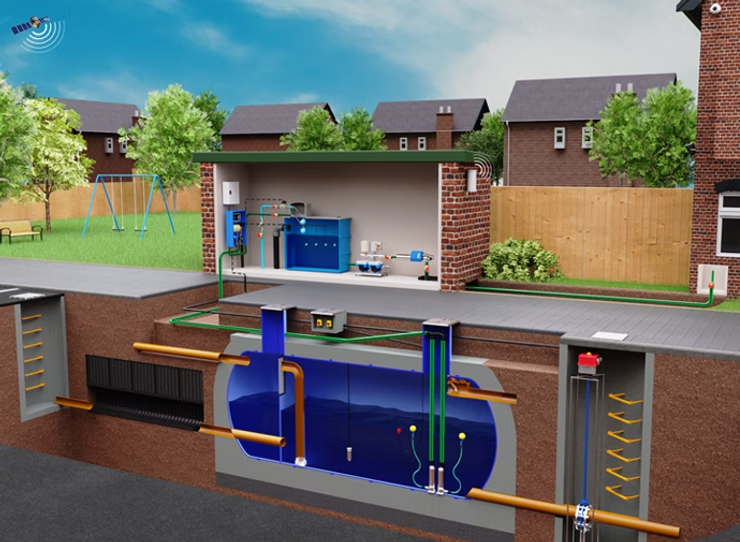
If you develop in England, rainwater harvesting is no longer a “nice-to-have” sustainability add-on. The National standards for sustainable drainage systems (SuDS) set a clear hierarchy for where runoff should go, and the top option – Priority 1 – is “collected for non-potable use”. In plain terms: treat rainfall as a resource first, before you look at infiltration, watercourses, or sewers.
For developers, this matters because it changes the starting point of the drainage conversation. You’re expected to show you’ve maximised higher priorities before moving down the list, and the standards also state that higher cost alone is not a reason to choose a lower priority destination. That doesn’t mean every scheme must include a rainwater harvesting system, but it does mean the design team should be able to evidence why it is or isn’t practicable.
Rainwater harvesting also supports the “SuDS approach” principles: managing runoff close to source, keeping water at or near the surface where possible, and delivering multiple benefits. On many sites, a properly designed system can do two jobs at once: reduce demand on mains water and reduce runoff leaving the site.
If you want a practical starting point, suppliers like GRAF UK provide packaged systems and sizing tools that help teams move from “we should consider it” to “here’s a workable option to assess”. Rainwater Harvesting Ltd also provides guidance content for teams new to the topic, which can help early-stage feasibility discussions.