Cost of Professional Drainage Engineering Services: A 2026 Guide
Understanding the Cost of Professional Drainage Engineering Services
Understanding the cost of professional drainage engineering services requires insight into how engineers price their work and what factors drive expenses up or down. At The Drainage Designers (Woodvale consulting Ltd), we’ve spent years helping homeowners, architects, and developers navigate these costs with transparency. The reality is that drainage engineering isn’t a one-size-fits-all service, and neither are the fees.
Drainage design costs vary dramatically based on project complexity, site conditions, and regulatory requirements. A simple residential drainage plan might cost considerably less than a large commercial development requiring extensive hydraulic analysis and stormwater management compliance. The key is understanding what you’re paying for and why certain projects command higher fees than others.
This guide breaks down the real variables that influence drainage engineering costs, from initial site assessments through final design approval. You’ll learn where hidden expenses lurk, when hiring a professional becomes essential, and how to budget effectively for your specific project type.
Factors Affecting Civil Engineering Service Costs
Several interconnected variables determine the final bill for drainage engineering work. Project scope and site assessment form the foundation of any cost estimate. A straightforward assessment on accessible, well-documented land costs far less than surveying a constrained urban site with complex existing infrastructure.
Residential versus commercial complexity creates a significant cost divide. Domestic drainage systems typically involve straightforward French drains, soakaways, or basic surface water management. Commercial projects, by contrast, demand detailed hydraulic modelling, stormwater management systems, and compliance with stringent local building codes. The engineering hours required differ substantially.
Regulatory requirements and permitting obligations add another layer. Projects requiring Lead Local Flood Authority approval, environmental assessments, or floodplain management studies incur additional costs. Engineers must spend time liaising with local authorities, revising designs to meet municipal requirements, and preparing documentation for formal submission. These administrative and technical tasks directly influence the cost of professional drainage engineering services.
Site conditions themselves matter enormously. A site with poor drainage characteristics, high water tables, or contaminated soil requires more extensive investigation and creative design solutions. Topographical surveys become more detailed. Hydraulic analysis grows more complex. All of this translates to increased professional fees.
Pro Tip
Request a detailed scope breakdown from your engineer before work begins. Ask specifically which elements drive costs highest on your project type. This helps you understand where money goes and where you might find efficiencies.
Civil Engineering Drainage Report Cost Breakdown
The cost of professional drainage engineering services typically divides into distinct service components, each with its own time and resource requirements.
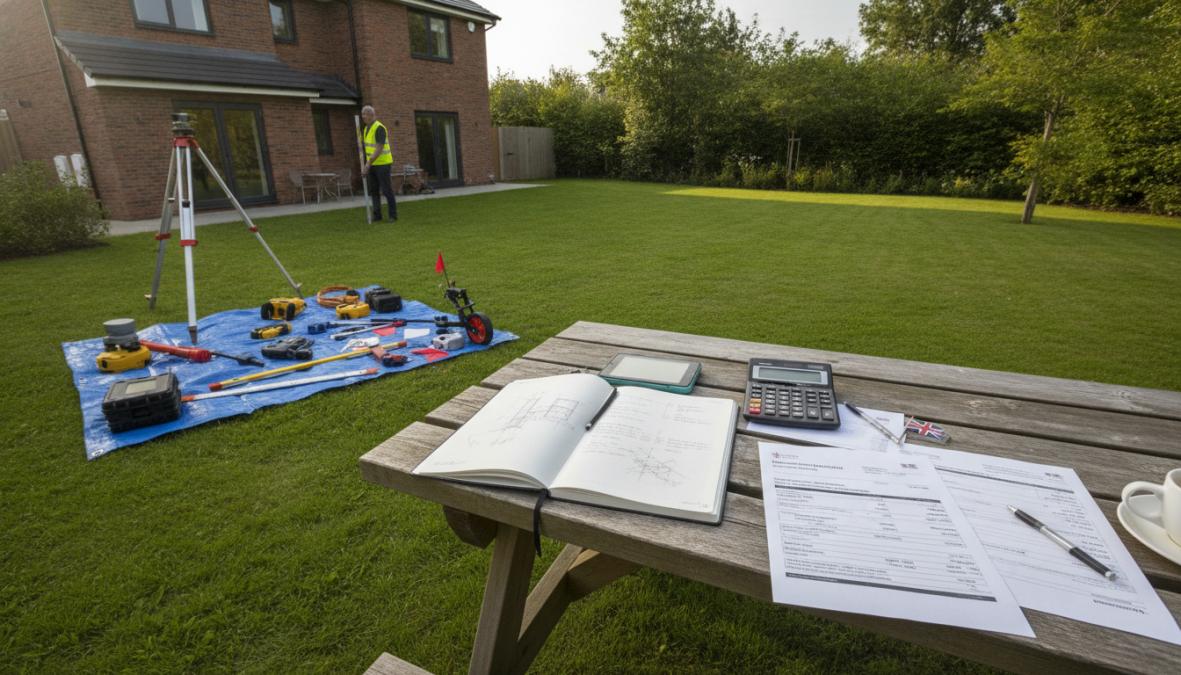
Site visits and topographical surveys form the foundation. An engineer must physically examine your property, measure gradients, identify existing drainage patterns, and assess soil conditions. For straightforward residential sites, this might involve a single half-day visit. For complex commercial developments, surveyors may conduct multiple site sessions, collect extensive data, and perform soil testing. The more detailed the survey, the higher this component of your bill.
Design documentation and approvals represent the bulk of engineering time. Once site data is gathered, engineers create detailed grading and drainage plans showing proposed systems, pipe layouts, and discharge points. These plans must comply with local building codes and be approved by relevant authorities before construction can begin. The complexity of your site directly affects how many design iterations are needed before approval.
[UK Building Regulations guidance on drainage design (/100/understanding-attenuation-in-drainage-design/) | gov.uk] sets the baseline requirements all professional engineers must follow. Compliance with these standards is non-negotiable, and engineers factor the time needed to meet them into their fees.
Professional engineers often use specialist software such as Autodesk Civil 3D for drainage infrastructure design to produce hydraulic analysis and detailed documentation. The investment in these tools and the expertise required to operate them forms part of service costs.
| Service Component | Typical Duration | Complexity Factor |
|---|---|---|
| Site visit and assessment | 1-2 days | Increases with site size and constraints |
| Topographical survey | 2-5 days | Higher for complex terrain or urban sites |
| Design documentation | 5-15 days | Depends on system complexity and regulatory requirements |
| Authority liaison and revisions | 3-10 days | Varies by local council responsiveness |
| Final approval documentation | 2-5 days | Increases with project scale |
The Drainage System Design Process and Associated Costs
Understanding how engineers approach design helps explain why their services command professional fees.
Initial consultation and feasibility assessment typically happen first. The engineer meets with you, discusses your project goals, reviews existing site information, and determines whether professional design services are warranted. This stage is often brief and relatively inexpensive, though some engineers charge a consultation fee whilst others include it as part of a full service quote.
Detailed design and hydraulic analysis form the technical core of the work. Engineers use rainfall data, site topography, soil infiltration rates, and proposed system specifications to model how water will move through your drainage system. For residential projects, this might involve basic calculations. For commercial developments, it requires sophisticated hydraulic modelling software and extensive documentation.
The drainage system design process demands rigorous attention to detail. Engineers must ensure systems handle design storm events (typically the 1-in-100-year rainfall event), account for climate change impacts on rainfall intensity, and provide adequate capacity for future development. All of this analysis takes time, and time is what you’re ultimately paying for when you hire a professional.
Projects requiring sustainable drainage systems (SuDS) add another layer of complexity. SuDS approaches prioritize infiltration, detention, and water quality improvement over rapid discharge. Designing these systems requires understanding soil conditions, groundwater behaviour, and long-term maintenance requirements. The cost of professional drainage engineering services increases when SuDS integration is required.
Key Takeaway
The most expensive part of drainage engineering isn’t the site visit or the paperwork, it’s the design work itself. Engineers spend the bulk of their time ensuring your system will actually work under real-world conditions, and that expertise justifies professional fees.
Residential Versus Commercial Drainage Projects
The distinction between residential and commercial work shapes costs fundamentally.
Residential drainage projects typically involve smaller sites with simpler systems. A homeowner might need surface water management for a new extension, a soakaway for a patio, or French drains to address basement dampness. These projects often require only basic site assessment and straightforward design. The cost of professional drainage engineering services for residential work remains relatively modest because the technical complexity is lower.
Commercial site design, by contrast, involves larger areas, higher water volumes, and more stringent regulatory oversight. A commercial development must handle roof runoff, car park drainage, and often significant landscape water management. Environmental regulations may require water quality treatment before discharge. Local authority requirements tend to be more demanding. All of these factors increase the engineering hours required.
Developers working on substantial commercial projects should expect comprehensive services including detailed site investigations, environmental assessments, and multiple design iterations to satisfy planning authorities. The cost reflects this comprehensive scope.
The difference in project cost between residential and commercial work can be substantial. A residential drainage design might cost a fraction of what a commercial site design commands, simply because the systems are smaller and regulatory requirements less complex.
Hidden Costs and Long-Term Lifecycle Considerations
Beyond the initial design fee, several hidden expenses can catch property owners off guard.
Soil testing and ground investigations add cost when site conditions are uncertain. If your property has clay soil, contamination history, or unusual hydrology, engineers may recommend formal soil testing to inform design decisions. These investigations cost money but provide essential information for reliable design.
Authority liaison and revision costs accumulate when local councils request design modifications. Most engineers include some revision rounds in their fee, but extensive back-and-forth can trigger additional charges. Some councils are more demanding than others, and this unpredictability can inflate project costs.
Long-term maintenance obligations represent a hidden cost many property owners overlook. Once your drainage system is installed, it requires periodic inspection and maintenance to function properly. SuDS systems in particular demand regular upkeep. The cost of professional drainage engineering services includes designing for maintainability, but the actual maintenance costs fall on you as the property owner. Budget for annual inspections and occasional cleaning or repairs.
Remedial work discovered during construction can derail budgets. If excavation reveals unexpected ground conditions, contamination, or existing utilities, your contractor may need to modify the design. These changes often require engineer input and can add significant cost.
Watch Out
Never assume your drainage system will work indefinitely without attention. French drains clog, soakaways fail, and pipes settle. Budget for professional inspection every 3-5 years and be prepared for occasional remedial work. Neglecting maintenance turns a modest investment into an expensive problem.
When to Hire a Professional Civil Engineer
Determining whether professional drainage engineering is necessary requires honest assessment of your project’s complexity.
Hire a professional engineer when your project requires formal planning permission or building regulation approval. Local authorities increasingly demand professional design documentation, particularly for anything involving surface water management or potential flood risk. Attempting to navigate this without professional help risks rejection and costly redesign.
Projects involving significant earth movement, substantial water volumes, or environmental sensitivity warrant professional input. If your site has poor natural drainage, sits near a watercourse, or has flooding history, professional design becomes essential. The engineer’s expertise in hydraulic analysis and flood mitigation prevents costly failures.
Commercial developments always require professional drainage engineering. The complexity of commercial sites, the regulatory landscape, and the financial stakes make professional design non-negotiable.
Residential projects sometimes proceed without professional design if they’re simple enough. A minor extension with straightforward surface water management might not require formal engineering. However, most residential projects benefit from at least a consultation with a professional to ensure compliance and proper function.
The cost of professional drainage engineering services is an investment in system reliability and regulatory compliance. Skimping on professional design to save money often results in systems that fail prematurely, requiring expensive remedial work.
How to Budget for Drainage Engineering Services
Effective budgeting requires understanding what influences costs and building realistic contingency into your project plan.
Request detailed quotes from multiple engineers before committing. A proper quote should itemize services: site assessment, design documentation, authority liaison, and revisions. This transparency helps you understand what you’re paying for and compare quotes meaningfully.
Build contingency into your budget. Most projects encounter unexpected conditions or authority requests that trigger additional engineering time. A 10-15 percent contingency for professional fees is reasonable for most projects.
Clarify what’s included in the initial quote and what triggers additional charges. Some engineers include a set number of revision rounds; others charge for each iteration. Understanding these boundaries prevents surprise invoices later.
| Budget Element | Typical Scope | Contingency Approach |
|---|---|---|
| Initial site assessment | Single site visit and basic survey | Add 20% for complex sites |
| Design documentation | Detailed plans and specifications | Add 15% for authority revisions |
| Authority liaison | First submission and standard revisions | Add 25% for contentious approvals |
| Software and analysis | Hydraulic modelling and calculations | Add 10% for unusual site conditions |
| Final approvals | Documentation and submission support | Add 10% for additional iterations |
Consider the long-term value, not just the upfront cost. A professional drainage design costs more initially but delivers systems that work reliably for decades. Poor design or inadequate engineering creates problems that cost far more to fix than the original design fee.
The Drainage Designers (Woodvale consulting Ltd) provides transparent quotes based on actual project scope, ensuring you understand exactly what you’re paying for and why. Our approach prioritizes clear communication about costs and realistic timelines, so you can budget confidently.
Drainage engineering complexity often surprises property owners who underestimate what professional design involves. Whether you’re managing a residential renovation or a large commercial development, understanding the cost of professional drainage engineering services helps you budget appropriately and make informed decisions. The Drainage Designers (Woodvale consulting Ltd) delivers comprehensive drainage design solutions tailored to your project’s specific needs, from initial site assessment through final local authority approval. Our nationwide UK service combines technical expertise with transparent pricing and reliable project delivery. Get in touch to discuss your drainage requirements and receive an obligation-free quote.
Frequently Asked Questions
What factors influence the cost of drainage engineering services most significantly?
The primary factors include project scope, site complexity, regulatory requirements, and location. Residential projects typically cost less than commercial developments. Additional costs arise from topographical surveys, hydraulic analysis, permit applications, and compliance with local building codes and Lead Local Flood Authority requirements. Sites with challenging ground conditions or stormwater management needs generally require more detailed design work, affecting overall service costs.
How much should I budget for a civil engineering drainage report?
Drainage report costs vary based on site size, complexity, and the level of detail required. Factors affecting the civil engineering drainage report cost include site visits, topographical data collection, hydraulic modelling, and preparation of documentation for local authority approval. For an accurate estimate, it is best to request a consultation with a professional engineer who can assess your specific project requirements and provide a detailed breakdown.
Do I need a professional drainage engineer for my project?
A professional civil engineer is essential for most projects requiring planning permission, formal drainage design, or compliance with local authority standards. They ensure your drainage system design process meets regulatory requirements, manages stormwater effectively, and minimises flood risk. Domestic renovations, new builds, and commercial developments typically require professional drainage engineering to secure approvals and avoid costly mistakes.
What is included in professional drainage engineering services?
Comprehensive services typically include site assessment and topographical surveys, hydraulic and hydrological analysis, detailed drainage system design, preparation of technical reports, and coordination with local authorities for permit approval. Professional engineers also address stormwater management, erosion control, and compliance with building codes. The specific scope depends on your project type and regulatory obligations.
How are drainage engineering fees typically structured?
Fees may be structured as fixed-fee contracts for defined project scopes, hourly rates for consultation and design work, or tiered pricing based on project complexity. Some engineers charge per site visit or per design phase. The best approach is to discuss your project requirements with a professional engineer who can recommend the most suitable fee structure and provide a transparent quote based on your specific needs.