
Rainwater Harvesting for Architects: Practical Considerations and Design Guidance
Rainwater harvesting is increasingly being considered in UK building projects as part of a sustainable water management strategy. For architects, understanding the fundamentals of rainwater harvesting can help with meeting planning requirements, achieving water efficiency targets, and supporting broader sustainability goals.
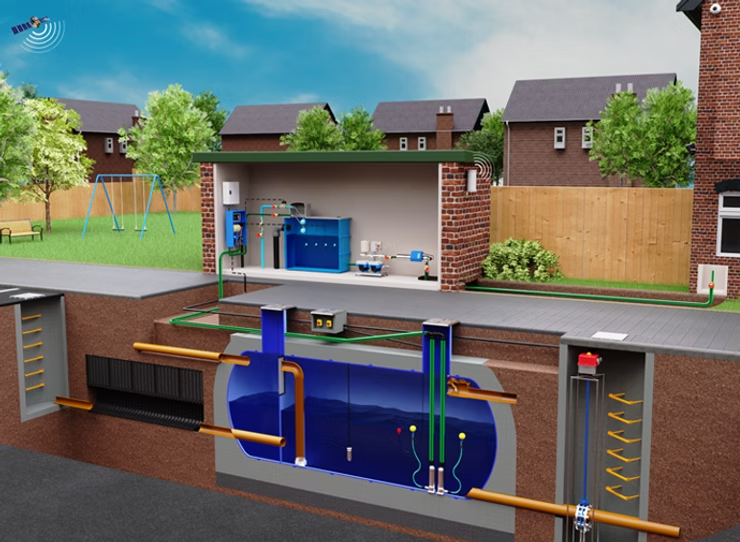
What Is Rainwater Harvesting?
Rainwater harvesting involves collecting rainwater from roofs or other hard surfaces, filtering it, and storing it for non-potable uses. Common applications include toilet flushing, irrigation, and vehicle washing. In most cases, harvested rainwater is not intended for drinking or food preparation.
Regulatory Context
In the UK, rainwater harvesting systems must comply with several regulations and standards:
- Building Regulations Approved Document G (sanitation, hot water safety, water efficiency)
- Water Supply (Water Fittings) Regulations 1999 (prevention of contamination)
- BS 8515:2009 (Code of Practice for rainwater harvesting systems)
These documents set requirements for system design, installation, and operation. They also outline measures for preventing cross-contamination between rainwater and potable water supplies, such as backflow prevention and clear labelling.
Key Design Considerations
Sizing the System
The system should be sized to balance rainwater supply with expected demand. Factors to consider include:
- Roof area available for collection
- Local rainfall data
- Intended uses (e.g., toilet flushing, irrigation)
- Storage tank capacity
- Frequency of use and occupancy patterns
Oversizing the tank can lead to water stagnation, while undersizing it may result in frequent reliance on mains water.
Filtration and Treatment
Collected rainwater must be filtered to remove debris and contaminants. Typical filtration steps include:
- Gutter guards or leaf screens
- First flush diverters to remove initial runoff
- Fine filters before storage and at points of use
Some systems include disinfection or UV treatment, especially if water is used for applications with higher hygiene requirements.
Pipework and Distribution
Rainwater pipework must be clearly labelled and kept separate from potable water systems. Backflow prevention devices are required to protect mains water supplies. Architects should coordinate with M&E consultants and drainage designers to ensure compliant and practical layouts.
Maintenance Requirements
Rainwater harvesting systems require regular maintenance. This includes cleaning filters, inspecting tanks for sediment or debris, and servicing pumps and controls. Building owners or facilities managers should be made aware of these requirements during the design stage.
Planning and Sustainability
Some local planning authorities and building assessment schemes, such as BREEAM, recognise rainwater harvesting as contributing towards water efficiency credits. However, requirements and credits vary by scheme and location. It is important to review specific planning conditions and sustainability targets for each project.
Integration with SuDS
Rainwater harvesting can form part of a wider Sustainable Drainage Systems (SuDS) strategy. By intercepting roof runoff, these systems can reduce peak flows to drainage networks and support compliance with surface water management requirements. Coordination with attenuation and infiltration systems may be necessary to achieve planning approval.
When to Specify Rainwater Harvesting
Rainwater harvesting may be suitable when:
- There is sufficient roof area and rainfall to meet a meaningful portion of non-potable demand
- The building has regular occupancy and consistent water use
- There is space for storage tanks and equipment
- Maintenance arrangements can be assured
It may be less appropriate for small buildings, sites with limited roof area, or where maintenance cannot be guaranteed.
Professional Support
Early consultation with drainage designers and M&E engineers helps ensure that rainwater harvesting systems are designed to meet regulatory standards and project goals. Professional advice can assist with system sizing, equipment selection, and integration with the wider drainage strategy.
Conclusion
Rainwater harvesting offers architects a practical way to contribute to water efficiency and sustainability targets. By understanding regulatory requirements, design considerations, and maintenance needs, architects can specify systems that are effective, compliant, and suitable for their projects.