Standard Four of the National SuDS Standards: The Water Treatment Trend for Architects and Housing Developers
For architects and housing developers, understanding Standard Four of the National SuDS Standards is essential for delivering compliant, sustainable, and marketable projects. This standard is all about water quality and ensuring that runoff from your developments is treated effectively before leaving the site.
Why Water Treatment Matters for Your Projects
Modern developments face increasing scrutiny over environmental impact. Urban runoff carries oils, silt, and debris that can harm local waterways and wildlife. Standard Four sets clear expectations for treating surface water, making compliance a key part of planning approval and site design.
What Standard Four Requires in Practice
Standard Four calls for drainage systems to include features that treat runoff and remove pollutants. The focus is on practical, buildable solutions that fit seamlessly into your designs. Treatment is often achieved through a “treatment train”, which is a sequence of SuDS features that each remove different types of contaminants. Examples include:
- Permeable paving for driveways and parking bays, trapping silt and debris
- Swales and filter strips along access roads or landscaped areas, allowing sediments to settle
- Bioretention areas such as rain gardens, which use soil and planting to absorb and break down pollutants
- Retention ponds and wetlands, providing final polishing of water before discharge
Practical Examples of the Treatment Train
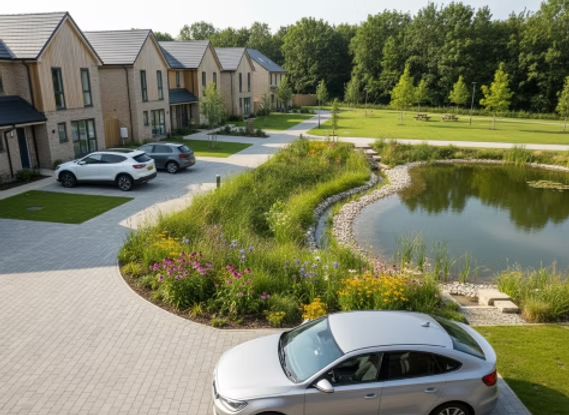
- Residential housing development: Surface water from roofs, driveways, and patios flows through permeable block paving, then into a grass swale, followed by a rain garden, and finally collects in a small pond. Each stage is designed to be attractive and easy to maintain.
- Larger housing schemes or mixed-use developments: Car park runoff is directed through an oil interceptor, then a filter strip, into a detention basin, and ultimately into a constructed wetland. This approach is effective for larger volumes and more challenging sites.
- Urban infill or retrofit projects: Road runoff enters tree pits or bioretention planters, flows into a swale, and is stored in an underground attenuation tank before being released. These features are compact and can be integrated into constrained plots.
Benefits for Architects and Developers
Embracing the water treatment trend is not just about regulatory compliance. Well-designed SuDS features:
- Enhance the visual and ecological value of your developments
- Support biodiversity, helping you achieve planning and sustainability targets
- Reduce future maintenance costs by trapping pollutants early
- Appeal to buyers and occupiers who value green, sustainable spaces
- Make planning approvals smoother by demonstrating best practice
Getting the Best Results
When planning your next project, consider:
- Assessing likely sources of pollution and site constraints early in the design
- Designing a treatment train that fits the scale and context of your site
- Selecting features that are robust, low-maintenance, and visually appealing
By prioritising water treatment in your SuDS strategy, you not only meet Standard Four but also deliver long-term value to your clients and communities, while standing out in a competitive market.
If you would like guidance on integrating SuDS features or want to see case studies from similar projects, just let us know – we are here to help you achieve the best results for your developments.