Understanding the National SuDS Standards
Sustainable Drainage Systems (SuDS) are now a central part of planning and development in the UK. The National SuDS Standards set out clear requirements for managing surface water in new developments, ensuring both environmental protection and regulatory compliance. This article explains the general requirements set out in paragraphs 2.3 to 2.7, highlighting what architects, developers, and consultants need to know.
Paragraph 2.3: Runoff Hierarchy
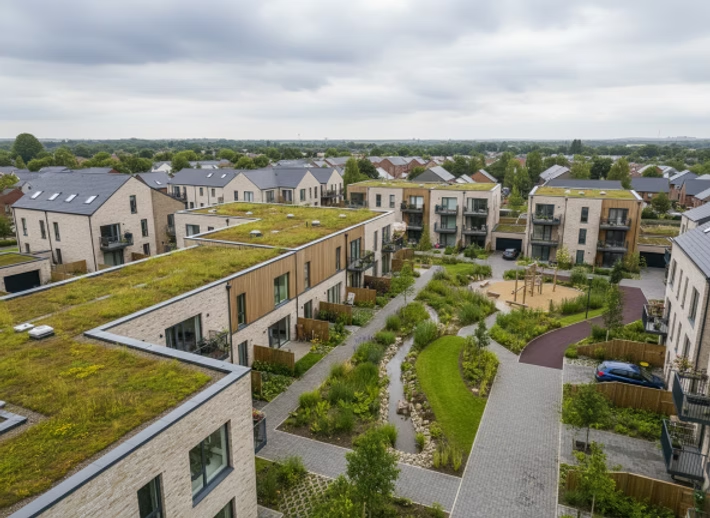
The standards specify a clear hierarchy for managing surface water runoff. The preferred approach is to use rainwater for non-potable purposes, such as irrigation and flushing toilets. If this is not feasible, the next step is infiltration into the ground. Where infiltration is not possible, water should be discharged to a surface water body. Only if these options are unsuitable should surface water sewers or combined sewers be considered. This hierarchy encourages sustainable use of water resources and reduces pressure on public drainage systems.
Paragraph 2.4: Rainwater Harvesting and Non-Potable Demand
Developments must consider rainwater harvesting as a priority, especially in areas with water stress or high demand for non-potable water. The standards require that rainwater harvesting systems are evaluated for their suitability and integrated wherever practical. This not only supports water conservation but can also help developments meet planning requirements and reduce long-term water costs.
Paragraph 2.5: Water Quality and Pollution Control
Effective SuDS design must address water quality. The standards call for robust risk assessments and the use of a management train approach, where multiple treatment stages are used to remove pollutants. Pollution controls should be designed to address site-specific risks, ensuring that runoff does not carry contaminants into local watercourses or groundwater. This approach supports environmental protection and helps developments meet regulatory approval.
Paragraph 2.6: Climate Resilience
The standards require all SuDS designs to account for climate change. Systems must be able to manage increased rainfall intensity and frequency, ensuring long-term performance and resilience. This means using up-to-date climate data in hydraulic calculations and designing systems with sufficient capacity to cope with extreme weather events. Developers and designers should consider future-proofing their drainage strategies to avoid costly retrofits.
Paragraph 2.7: Infiltration Requirements
Where infiltration is used, the standards specify a minimum of one metre of unsaturated ground between the base of the infiltration system and the highest recorded groundwater level. This requirement is in place to protect groundwater quality and ensure the effectiveness of infiltration techniques. Site investigations and ground assessments are essential to confirm that infiltration is suitable and that all regulatory conditions are met.
Implications for Architects and Housing Developers
The National SuDS Standards have significant implications for architects and housing developers. Early-stage design decisions must now account for water reuse, site infiltration capacity, and robust pollution controls.
Architects need to integrate rainwater harvesting and green infrastructure into their plans from the outset, working closely with drainage consultants to ensure compliance. Housing developers must budget for potential additional costs associated with SuDS features and factor in the longer approval times that can result from complex drainage strategies. Both groups benefit from a proactive approach, as well-designed SuDS not only meet regulatory requirements but also add value to developments by improving sustainability credentials and reducing long-term operational risks.
Engaging with experienced drainage designers early in the process is essential for smooth project delivery and successful planning outcomes.