Upsizing Pipes vs. Adding Attenuation: Which Solution Saves Money?
When it comes to effective drainage design, two of the most common solutions for managing excess water are upsizing pipes or adding attenuation. Both approaches aim to prevent flooding, comply with local regulations, and ensure long-term performance, but they come with different costs and benefits. So, which option is more cost-effective for your project?
Understanding the Options
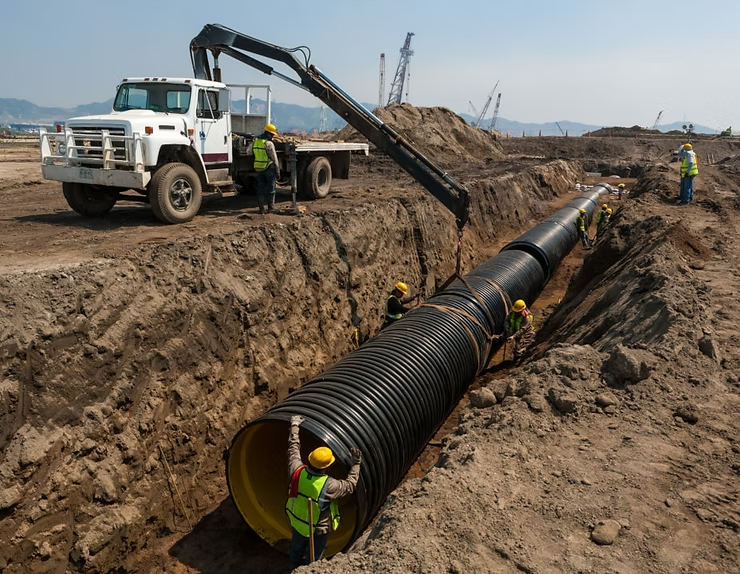
Upsizing Pipes: This method involves installing larger diameter pipes to move water away from a site more quickly. It’s often seen as a straightforward fix, especially in new developments or when retrofitting existing systems. The main advantage is simplicity—bigger pipes mean more capacity, which can reduce the risk of blockages and overflows.
Adding Attenuation: Attenuation systems, such as tanks, crates, or ponds, temporarily store stormwater and release it slowly into the drainage network. This approach is designed to mimic natural drainage and is a key part of sustainable drainage strategies (SuDS). Attenuation helps to reduce peak flows, protect downstream systems, and support compliance with planning requirements.
Comparing the Costs
Initial Installation
- Upsizing Pipes: The initial outlay can be significant, especially if large sections of pipework need replacing or deeper trenches are required. Material and labour costs rise with pipe size.
- Attenuation: While attenuation systems can require specialist products and installation, they often use less pipework overall. However, the cost of tanks or crates, plus excavation and maintenance access, can add up.
Maintenance and Longevity
- Upsizing Pipes: Larger pipes can be easier to maintain and less prone to blockages, but repairs can be costly if issues arise due to their size and depth.
- Attenuation: These systems require regular inspections and cleaning to prevent silt build-up. Maintenance contracts may be necessary, especially for complex or underground systems.
Compliance and Planning
Many local authorities now favour attenuation as part of SuDS requirements. Upsizing alone may not always satisfy planning conditions, especially on larger or more sensitive sites.
Which Saves Money?
The best value solution depends on your project’s specifics:
- For small sites or simple upgrades, upsizing pipes may be a quick, cost-effective fix.
- For larger developments or areas with strict planning conditions, attenuation offers long-term savings by reducing flood risk and supporting compliance.
In some cases, a combination of both methods delivers the best results—balancing upfront costs with ongoing savings and regulatory peace of mind.
Conclusion
Every site is different, and the right solution should consider both immediate and future costs, as well as planning requirements. Consulting with an experienced drainage designer ensures you choose the option that delivers safety, compliance, and value for money over the lifetime of your project.