
Knowledge Centre

A developer’s feasibility checklist for rainwater harvesting (aligned to the National SuDS Standards)
Rainwater harvesting is easiest to do well when it is considered early, before roof layouts, plant space, drainage ...

Rainwater harvesting as part of a SuDS management train
Rainwater harvesting as part of a SuDS management train (not a standalone gadget) Developers often meet rainwater harvesting ...

Why Good Drainage Design Starts with the National SuDS Standards
When it comes to planning any development, drainage design should never be treated as an afterthought. A well‑considered ...
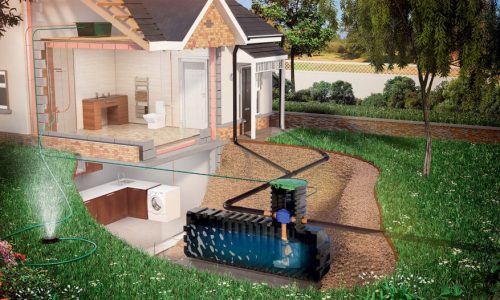
Maintenance and long-term performance: what developers should plan for from day one
Rainwater harvesting can be a strong part of a SuDS strategy, but only if it keeps working after ...

“Higher cost alone isn’t a reason” — turning SuDS compliance into a smarter value conversation
One line in Standard 1 is easy to overlook, but it has real commercial impact: when using a ...
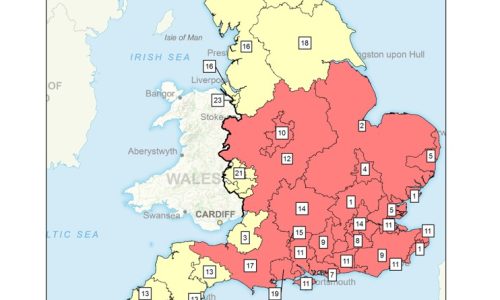
Water-stressed areas: why rainwater harvesting deserves a default “yes” in early design
The National SuDS Standards state that rainwater harvesting shall be considered where the development is in an area ...
Interception made practical: using rainwater harvesting to help meet the “first 5mm” expectation
Standard 2 of the National SuDS Standards focuses on everyday rainfall and interception. The headline is simple: apply ...

Planning and approvals: how rainwater harvesting can strengthen your SuDS narrative
Developers are encouraged to demonstrate compliance with the national standards from the conceptual stage of the planning application ...
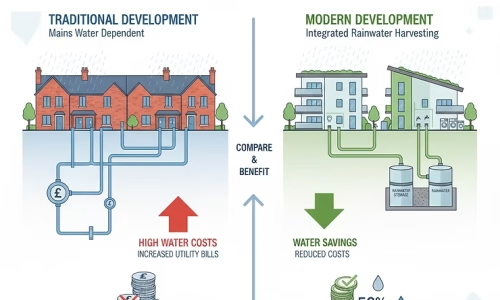
The simplest business case: rainwater harvesting reduces mains water demand (and helps you prove it)
The National SuDS Standards are explicit that runoff should be treated as a resource, and they highlight rainwater ...