Top 5 Signs Your Home Drainage System Is Failing
Table of Contents
- 1. Slow-Draining Sinks and Fixtures
- 2. Persistent Foul Odours or Sewage Smells
- 3. Standing Water or Pooling in the Yard
- 4. Gurgling Sounds from Pipes and Drains
- 5. Frequent Blockages and Sewage Backups
- Do I Need Professional Drainage Design When My System Fails?
- Building Regulations for Drainage Systems: What Homeowners Must Know
- Preventative Maintenance and Seasonal Drainage Risks
Last Updated: August 25, 2026
Top 5 Signs Your Home Drainage System Is Failing
Recognising early warning signs of a failing drainage system can save you thousands of pounds in repairs and prevent serious property damage. At The Drainage Designers (Woodvale consulting Ltd), we work with homeowners across the country who’ve discovered drainage problems too late, after they’ve caused structural damage, flooded basements, or contaminated surrounding land. Understanding these indicators helps you act before minor issues escalate into costly interventions.
This guide covers the most common warning signs that your drainage system needs professional attention, what causes each problem, and when to call in a specialist.
1. Slow-Draining Sinks and Fixtures
Slow drainage is typically the first sign that something’s wrong with your plumbing or drainage system. Water that takes noticeably longer to drain from sinks, showers, baths, or toilets suggests a partial blockage somewhere in the line. Multiple fixtures draining slowly across different areas of your home points to a more serious issue deeper in your drainage system.
Causes include hair, grease, soap residue, and debris accumulating inside pipes over time. In older properties, mineral deposits from hard water can reduce pipe diameter. Tree roots seeking moisture sometimes penetrate drainage lines, causing partial blockages that worsen progressively. Structural settling or ground movement can also misalign pipes, creating low spots where water pools and sediment collects.
Start with simple remedies: remove visible debris from drain covers, use a plunger on individual fixtures, or try a proprietary drain cleaner. If multiple drains remain slow after these attempts, or if the problem returns within days, the blockage is likely in the main drainage line and requires professional investigation. A drainage specialist can use CCTV inspection equipment to identify exactly where the obstruction is and recommend the most cost-effective solution.
Ignoring persistent slow drainage can lead to sewage backups into your property, which poses serious health risks and causes extensive damage to floors, walls, and foundations.
2. Persistent Foul Odours or Sewage Smells
Foul odours coming from drains, particularly a strong sewage smell, indicate that wastewater isn’t flowing properly through your drainage system. These smells occur when water stagnates in pipes or when sewage gases escape through drains instead of venting safely through roof pipes. You might notice the smell near drain covers, around the base of your property, or inside your home near bathrooms and kitchens.
Causes include blocked vents that prevent gases from escaping safely, collapsed sections of drainage pipe that trap waste, or cracks in the sewer line allowing gases to seep into surrounding soil. Grease accumulation is particularly common in kitchen drains and main lines, creating an environment where bacteria thrive and produce foul-smelling gases.
If the smell is localised to one drain, clean the trap beneath that fixture and check for debris. For widespread sewage odours affecting multiple areas, or smells coming from outside near your property boundary, professional drainage inspection is necessary. Professional drainage specialists use CCTV cameras and smoke testing to identify exactly where gases are escaping and whether the problem is a blockage, vent issue, or structural damage.
Persistent odours often indicate that your drainage system’s structural integrity has been compromised. Early professional intervention prevents sewage backup and protects your property’s foundation.
3. Standing Water or Pooling in the Yard
Standing water in your garden, particularly near the property foundation or over the drainage system route, is a serious warning sign. This indicates that water from your home isn’t draining away properly through the subsurface drainage system. Pooling water creates ideal conditions for bacterial growth, attracts pests, and can eventually damage your property’s foundations through prolonged moisture exposure.
Standing water appears after heavy rainfall or even mild rain when your drainage system cannot cope with the volume. Causes include blocked drainage pipes, collapsed sections of pipe, damaged or missing gullies, or a drainage system that was never designed to handle current rainfall patterns. Climate change has increased rainfall intensity in many areas, meaning systems installed decades ago may no longer be adequate.
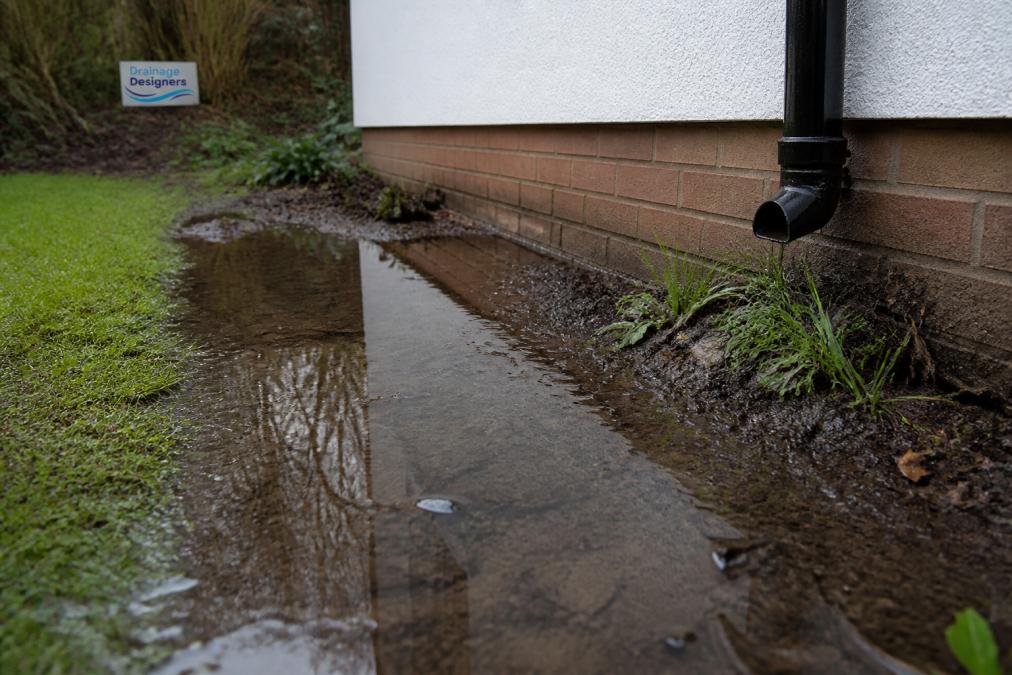
Inspect the area after rain to confirm whether pooling is temporary or persistent. Mark the location and note how quickly water drains. If water remains for more than a few hours after rain stops, or if the same spot floods repeatedly, your drainage system needs professional assessment. The Drainage Designers (Woodvale consulting Ltd) can conduct a site visit to evaluate your current drainage design and recommend improvements, including whether you need enhanced subsurface drainage or modifications to your gutter and downpipe system.
4. Gurgling Sounds from Pipes and Drains
Gurgling or bubbling sounds from pipes and drains, particularly when you flush toilets or run water from taps, indicate that air is trapped in your drainage system. Healthy drainage systems move water smoothly and silently. Gurgling suggests that water is not flowing freely, causing air pockets to form and escape as bubbles.
Common causes include blocked vent pipes that prevent air from flowing through the system properly, partial blockages that force water and air through narrow gaps, or damaged pipes with cracks allowing air to enter. Vent pipes run from your drainage system up through your roof to allow sewer gases to escape safely and to equalise air pressure inside the pipes. When these vents become blocked by debris, bird nests, or ice, the system cannot function correctly.
Listen carefully to where the gurgling occurs. If it happens only when a particular fixture drains, the blockage is likely local to that line. If gurgling sounds come from multiple fixtures or from the main stack pipe, the problem is in the main drainage system or vent pipes. Professional drainage specialists can identify whether the issue is a blocked vent, a partial blockage in the main line, or structural damage causing air leaks.
5. Frequent Blockages and Sewage Backups
Recurring blockages that return within weeks or months despite cleaning indicate that your drainage system has a fundamental problem. Blockages affecting multiple fixtures simultaneously, or sewage backing up into your home, represent a critical failure requiring immediate professional intervention.
Sewage backup is particularly serious. If raw sewage appears in your bathtub, shower, or lowest-level fixtures when you flush the toilet or run water upstairs, your main drainage line is severely blocked or damaged. This poses immediate health risks and can cause extensive damage to your property.
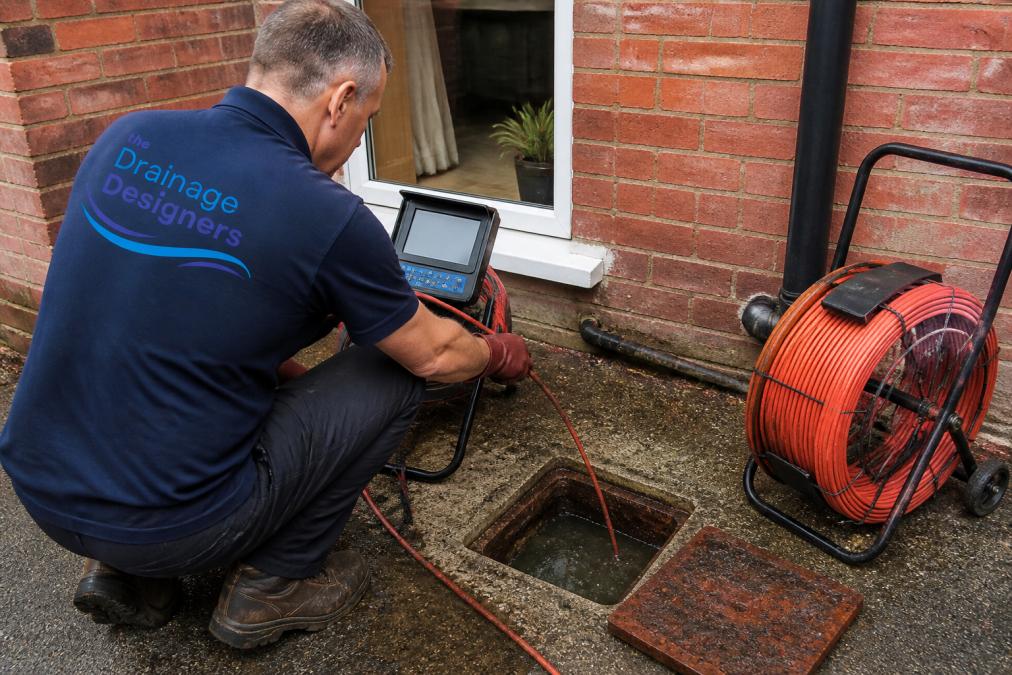
Causes of frequent blockages include tree root intrusion into pipes, which worsens progressively as roots expand and trap debris; collapsed or cracked sections of pipe allowing soil to enter and accumulate; or a drainage system inadequately designed for your property’s needs. Grease accumulation in the main line creates a sticky surface where other debris catches and builds up over time.
Do not attempt to resolve frequent blockages yourself with chemical drain cleaners or plungers. These provide only temporary relief and may worsen structural damage. Professional CCTV inspection reveals the root cause, and specialists can recommend the most appropriate solution, whether that’s hydro-jetting to clear debris, pipe relining to seal cracks and restore flow, or full pipe replacement where structural integrity is compromised.
Sewage backup into your home requires immediate professional attention. Do not use affected fixtures until the main line is cleared, as continued use can force sewage into your property’s foundations and surrounding soil, creating serious contamination and health hazards.
Do I Need Professional Drainage Design When My System Fails?
When your existing drainage system fails, the question becomes whether you can simply repair the current system or whether you need professional drainage design to create a new one. This decision depends on the extent of the damage, your property’s location, local building regulations, and whether your current system meets modern standards.
If the failure is localised, a single blocked pipe, a cracked section, or a failed gully, repair may be sufficient. However, if your system has multiple failures, if tree roots have extensively damaged pipes, or if standing water persists despite repairs, the underlying design may be inadequate.
Professional drainage design becomes necessary when your property is being extended, when you’re renovating significantly, or when your existing system repeatedly fails. Building Regulations require that any new drainage system, or any substantial alteration to an existing one, complies with current standards. These standards are stricter than those from decades ago, particularly regarding sustainable drainage (SuDS) and flood risk management.
The Drainage Designers (Woodvale consulting Ltd) helps homeowners and architects determine whether repair is viable or whether professional redesign is required. A site visit and assessment of your current system, combined with understanding your property’s location relative to flood risk and ground conditions, informs this decision. Professional drainage design ensures that your new system handles current rainfall patterns, complies with Local Authority requirements, and prevents future failures.
Building Regulations for Drainage Systems: What Homeowners Must Know
Building Regulations Part H governs drainage and waste disposal in England, Wales, Scotland, and Northern Ireland (gov.uk). All require that drainage systems safely convey foul water and rainwater away from buildings without causing nuisance or risk to health.
For foul drainage, your system must connect to a public sewer where one exists (gov.uk). If no public sewer is available, you must use a septic tank or treatment plant that meets current standards. The system must have adequate capacity for your property’s occupancy, be accessible for maintenance and emptying, and be located away from water sources and property boundaries according to specified distances.
For surface water drainage, Building Regulations now strongly encourage Sustainable Drainage Systems (SuDS) that manage rainwater on-site through infiltration, detention, or treatment before discharge. This reduces flooding risk and improves water quality. New properties and those undergoing significant renovation must incorporate SuDS unless site conditions make this technically unfeasible. Local Planning Authorities and Lead Local Flood Authorities assess whether your proposed drainage design meets these requirements before granting approval.
All drainage systems must be designed to handle a 1-in-100-year rainfall event (a rainfall intensity expected statistically once per century) (gov.uk). In areas at higher flood risk, more stringent standards may apply. Your drainage system must also be designed to prevent backflow of water into your property and must include appropriate ventilation to allow sewer gases to escape safely.
When your existing system fails, understanding these regulations helps you make informed decisions about repair versus redesign. Professional drainage designers stay current with regulatory changes and ensure that any new system meets all requirements, maximising the likelihood of planning approval and protecting your property long-term.
Building Regulations require that drainage systems safely convey waste and rainwater away from your property without causing flooding or nuisance. Non-compliant systems can prevent property sale, fail planning approval, or cause environmental damage.
Preventative Maintenance and Seasonal Drainage Risks
Preventative maintenance significantly extends the life of your drainage system and catches problems before they become emergencies. Simple practices include clearing gutters and downpipes regularly to prevent water backing up and overflowing, ensuring that gully grates are clear of debris, and avoiding disposing of materials that damage pipes. Fats, oils, wipes, and sanitary products should never enter your drainage system.
Seasonal risks vary throughout the year. Autumn brings fallen leaves that can block gutters, downpipes, and gullies. Winter frost can freeze water in pipes and cause frozen blockages. Spring thaw sometimes reveals damage that occurred during winter. Summer heavy rainfall can overwhelm drainage systems that have accumulated debris during drier months.
Tree roots actively seek moisture during dry periods, increasing the risk of root intrusion into drainage pipes. Properties near trees require more frequent drainage inspections, as root damage develops progressively and may not be apparent until blockages occur.
Professional drainage inspection every 3-5 years, or annually for properties with known issues, identifies problems early. CCTV inspection reveals internal pipe condition, root intrusion, debris accumulation, and structural damage before they cause system failure. The Drainage Designers (Woodvale consulting Ltd) recommends that homeowners keep records of their drainage system, including the location of the main line, inspection findings, and any repairs undertaken.
| Seasonal Risk | Timing | Prevention Strategy | Professional Action |
|---|---|---|---|
| Leaf blockage | Autumn | Clear gutters monthly | CCTV inspection to confirm main line clear |
| Frost damage | Winter | Insulate external pipes | Inspect for freeze-thaw cracks |
| Root intrusion | Summer drought | Tree root barriers for new plants | CCTV to assess root penetration |
| Rainfall overload | Spring/summer storms | Ensure gullies clear | Assess system capacity and SuDS options |
| Soil movement | Winter waterlogging | Monitor for standing water | Survey for pipe misalignment |
A failing drainage system creates immediate inconvenience and long-term property damage if left unaddressed. Recognising these five warning signs allows you to act before sewage backs up into your home or your property’s foundation is compromised. Many of these problems develop gradually, making early professional assessment essential. The Drainage Designers (Woodvale consulting Ltd) provides site visits and professional drainage assessment across the country, identifying whether your system requires repair, redesign, or enhanced maintenance. Get in touch to arrange a drainage inspection and receive expert advice tailored to your property’s specific needs and local building regulations.
Frequently Asked Questions
What are the early warning signs of a collapsed drain?
Early signs of a collapsed drain include persistent foul odours from drains, sewage backup into your home, standing water in the yard that doesn't drain after rain, and multiple fixtures draining slowly at once. Structural damage to walls or floors near the drainage system can also indicate collapse. If you notice several of these signs together, contact a professional for a drain inspection using CCTV to assess the drainage system's structural integrity.
Do I need professional drainage design when replacing a failed system?
Yes. Building Regulations require drainage systems to meet specific standards for wastewater handling, pipe sizing, and gradient. A professional drainage design ensures your replacement system complies with Local Authority requirements and Lead Local Flood Authority guidelines. This is especially important for new builds, extensions, or significant renovations. Professional design also prevents costly rejections during planning approval and ensures your system handles peak wastewater flow correctly.
How often should a home drainage system be inspected?
Most homes benefit from a drainage system inspection every 2-3 years as part of preventative maintenance. If you notice signs of failure, arrange an inspection immediately. Properties with tree root intrusion risks, older clay pipe systems, or frequent blockages should be inspected annually. Regular inspections catch debris buildup, pipe corrosion, and grease accumulation before they cause major failures, saving you money on emergency repairs.
What causes domestic drainage systems to fail?
Common causes include tree root intrusion into pipes, pipe corrosion from age or chemical damage, grease and hair accumulation blocking wastewater flow, structural damage from ground movement, and debris buildup in the sewer line. Poor drainage design, inadequate gradient, or systems that don't meet Building Regulations can also lead to failure. Seasonal factors like heavy rainfall overwhelming drainage efficiency or frozen pipes in winter can accelerate deterioration.
This article was written using GrandRanker