
Climate Change Allowances in 2025: How They're Reshaping UK Drainage Design
- martinyoung5
- Dec 17
- 4 min read
Climate change is now a central concern for the UK drainage sector. In 2025, new climate change allowances are fundamentally changing the way drainage systems are designed, approved, and maintained across the country. These changes reflect updated government guidance and an urgent need to future-proof infrastructure against increasingly frequent extreme weather events and unpredictable rainfall patterns.
What Are Climate Change Allowances?
Climate change allowances are adjustments made to drainage and flood risk calculations to account for projected changes in rainfall, river flows, and sea levels. The UK government, led by the Environment Agency, regularly reviews and updates these allowances based on the latest climate science. For drainage designers, this means every project must now factor in higher rainfall intensities, longer storms, and greater stormwater volumes.
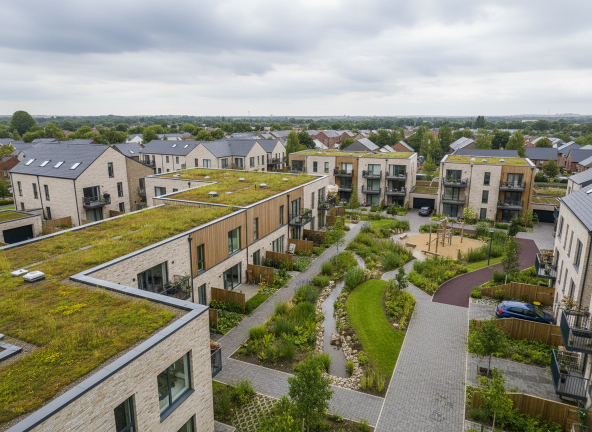
Allowances are applied to both new developments and major redevelopments. They affect everything from the sizing of pipes and attenuation tanks to the selection of Sustainable Drainage Systems (SuDS) features such as green roofs, swales, and soakaways.
Why Have They Changed in 2025?
The past few years have seen a dramatic increase in flooding incidents, with 2024 being one of the wettest years on record. This has prompted the Environment Agency and local authorities to update their requirements for drainage design. New allowances introduced in 2025 reflect a more cautious approach, aiming to reduce flood risk and protect both people and property.
Climate projections now suggest that traditional design standards are no longer sufficient. The updated allowances require designers to plan for more intense rainfall events and higher peak flows, even on small residential developments. This shift is driving innovation and raising the bar for compliance across the industry.
Key Impacts on Drainage Design
Larger Storage Volumes: Designers must now provide bigger attenuation tanks, ponds, or soakaways to manage increased peak flows. This can mean more land set aside for drainage or the adoption of underground solutions in space-constrained sites.
Stricter Runoff Controls: Surface water runoff from new developments must be limited more tightly, requiring advanced SuDS features and careful integration with landscaping. Green roofs, rain gardens, and permeable paving are becoming standard.
Longer Design Lifespans: Drainage systems must be designed to perform reliably for 30 to 60 years, taking into account not just today’s climate but the likely conditions decades into the future.
More Rigorous Approvals: Local authorities and water companies are scrutinising drainage designs more closely. Designers are expected to provide detailed calculations, climate data, and evidence that their proposals are resilient to future conditions.
Increased Collaboration: Drainage designers must work more closely with architects, engineers, and planners to ensure climate allowances are considered from the earliest project stages.
Practical Steps for Designers and Developers
Stay Updated: Always use the latest Environment Agency guidance and local authority requirements when calculating allowances. Guidance documents are updated regularly, so it’s important to check before every project.
Early Planning: Engage drainage specialists early in the project to ensure climate resilience is built in from the start. Early decisions about site layout and landscaping can have a big impact on drainage performance.
Adopt SuDS: Sustainable Drainage Systems are now essential for both compliance and long-term performance. Features like swales, filter strips, and soakaways help manage runoff naturally and improve site biodiversity.
Document Everything: Keep detailed records of calculations, assumptions, and design decisions. This supports the approval process and provides a clear audit trail for future reviews or modifications.
Communicate with Stakeholders: Regular communication with local authorities, water companies, and clients helps avoid delays and ensures everyone understands the project’s climate resilience measures.
Consequences of the New Allowances and the Importance of SuDS Selection
The consequences of the new climate change allowances are significant for both designers and the communities they serve. Systems that are under-designed or do not account for increased rainfall can quickly become overwhelmed, leading to flooding, property damage, and even risks to public health. Flooded developments can face costly repairs, legal disputes, and reputational harm for both the developer and the designer.
Selecting the correct SuDS features is now more important than ever. Each site presents unique constraints, from soil permeability and available space to local authority requirements and future maintenance needs. The right combination of SuDS—such as rain gardens, green roofs, swales, and permeable paving—not only meets regulatory standards but also delivers long-term resilience, improved water quality, and added biodiversity. Inadequate or inappropriate SuDS choices can result in systems that fail under pressure, causing surface water to pool, erode, or bypass the intended controls.
What Happens if the Designer Gets It Wrong?
If a designer fails to apply the correct climate change allowances or selects unsuitable SuDS features, the consequences can be severe:
Flooding: Under-designed systems may not cope with heavy rainfall, leading to site or neighbourhood flooding.
Regulatory Rejection: Local authorities may refuse planning permission or require costly redesigns, delaying projects and increasing expenses.
Legal Liability: Designers and developers may be held liable for damages caused by inadequate drainage, including claims from affected property owners.
Reputational Damage: Repeated failures or non-compliance can harm a designer’s reputation and future business prospects.
Increased Costs: Retrofitting or repairing failed systems is far more expensive than getting the design right from the start.
Challenges and Opportunities
Adapting to the new climate change allowances presents challenges, especially for small sites or urban developments with limited space. Designers must balance regulatory requirements with practical constraints such as land availability, cost, and client expectations.
However, these changes also create opportunities. Developers who embrace climate-resilient design can enhance their reputation, reduce long-term maintenance costs, and add value for clients. There is growing demand for sustainable solutions, and early adopters are likely to benefit from positive relationships with planning authorities and the public.
Looking Ahead
Climate change allowances in 2025 are not just a regulatory hurdle. They represent a shift towards more resilient, sustainable, and future-focused drainage infrastructure. For UK designers, architects, and developers, adapting to these changes is both a challenge and an opportunity to lead in sustainable built environment practices. By staying informed, planning ahead, and working collaboratively, the industry can help protect communities from the impacts of a changing climate.


Comments