Biodiversity Net Gain Meets SuDS: Maximising Environmental Benefits
The convergence of Biodiversity Net Gain (BNG) requirements and Sustainable Drainage Systems (SuDS) represents a transformative opportunity for developers and designers to create developments that deliver multiple environmental benefits.
With the National SuDS Standards now in place and mandatory BNG requirements active since February 2024, understanding how these two frameworks complement each other is crucial for successful project delivery.
Understanding the Regulatory Landscape
The Environment Act 2021 introduced mandatory BNG requirements, mandating that all relevant developments achieve a minimum 10% net gain in biodiversity value. Simultaneously, the new National SuDS Standards, published in June 2025, establish comprehensive requirements for sustainable drainage systems that go far beyond traditional flood management.
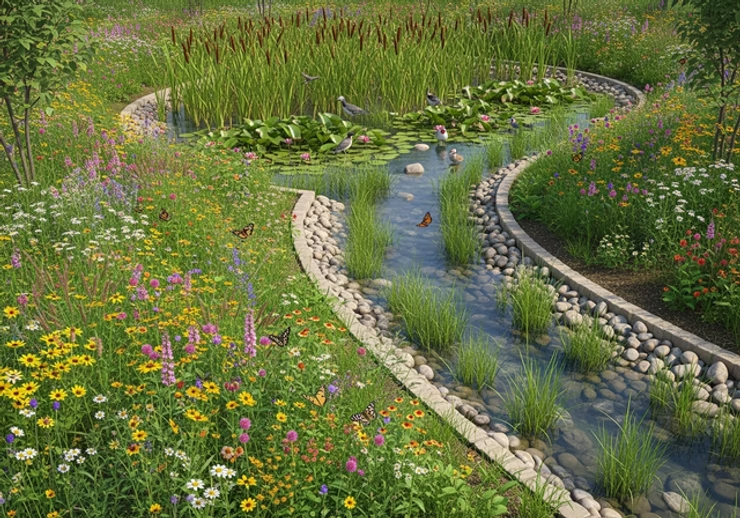
Standard 6 of the National SuDS Standards specifically addresses biodiversity, requiring that surface water drainage systems “maximise biodiversity benefits throughout the development lifecycle.” This creates a natural synergy with BNG requirements, where well-designed SuDS can contribute significantly to achieving biodiversity targets.
The SuDS Approach to Biodiversity Enhancement
The National SuDS Standards define a ‘SuDS Approach’ that emphasises creating diverse, self-sustaining, resilient local ecosystems. This approach requires surface water drainage systems to:
- Create diverse, self-sustaining, resilient local ecosystems which contribute to net gains in biodiversity
- Support and promote natural local habitat and species through Local Nature Recovery Strategies (LNRS)
- Contribute to the delivery of local biodiversity strategies
- Enhance habitat connectivity across the landscape
Key SuDS Features for Biodiversity Enhancement
Bioretention Areas and Rain Gardens
These shallow planted depressions allow runoff to pond temporarily before filtering through vegetation and underlying soils. When designed with native plant species, they create valuable habitat for insects, birds, and small mammals while providing excellent water quality treatment.
Swales and Constructed Wetlands
Vegetated channels and wetland areas provide habitat for amphibians, aquatic invertebrates, and water-loving plants. The National Standards emphasise that swales with longitudinal gradients less than 1:100 are particularly effective for both water management and biodiversity.
Attenuation Ponds
Permanently wet features that provide habitat for aquatic species, waterfowl, and marginal vegetation. The standards require these features to maintain suitable water quality for aesthetic and amenity reasons while supporting biodiversity.
Green Roofs and Walls
These features contribute to the urban green infrastructure network and can support specialist plant communities, particularly when designed with native species and varied substrate depths.
Integrating BNG and SuDS Design
Early Assessment and Planning
The National Standards require a biodiversity risk and opportunity assessment at the outset of development design. This assessment should consider:
- Existing flora and fauna on site through specific ecological surveys
- Ecological sensitivity, including designated sites and water quality
- Size and complexity of the development
- Local biodiversity strategies, LNRS, and River Basin Management Plans
- Opportunities for integration with BNG metric calculations
Design Integration Requirements
The standards mandate that SuDS designs demonstrate:
- Following the mitigation hierarchy (avoid, mitigate, compensate)
- Integration with statutory BNG requirements, including BNG Metric calculations
- Creation of new ecologically valuable habitat and enhancement of existing habitats
- Increased habitat and species diversity
- Habitat connectivity enhancement
- Appropriate management of invasive species
Maximising Environmental Benefits
Multi-functional Design
The National Standards emphasise multifunctionality, requiring SuDS to contribute to placemaking and environmental enhancement. This creates opportunities to design features that simultaneously:
- Manage surface water runoff effectively
- Provide biodiversity habitat
- Enhance amenity and recreational value
- Contribute to climate resilience through urban cooling and carbon sequestration
Management Train Approach
The standards require a series of different drainage features operating as a ‘SuDS management train.’ This approach naturally creates diverse habitats across the development, from source control features like green roofs to regional control features like constructed wetlands.
Long-term Sustainability
Both BNG and SuDS require long-term management and maintenance. The National Standards mandate comprehensive management and maintenance plans that ensure biodiversity benefits are sustained throughout the development’s lifetime.
Practical Implementation Strategies
Species Selection
The standards emphasise location and context-driven vegetation selection, informed by tolerance to temperature, waterlogging, and drought conditions. While native species are usually preferable, non-native species may be appropriate in urban environments where resilience is critical.
Habitat Creation
SuDS features should be designed to create stepping stones and corridors that connect existing habitats. This is particularly important in urban environments where habitat fragmentation is a significant issue.
Water Quality Considerations
The standards require that SuDS features maintain suitable water quality for biodiversity support. This includes avoiding strong odours, excessive organic detritus, and controlling nutrient inputs that could lead to eutrophication.
Challenges and Solutions
Design Constraints
Urban developments often face space constraints that limit SuDS options. However, the standards recognise that multiple smaller features can be more effective than single large installations, creating opportunities for biodiversity enhancement throughout the development.
Maintenance Requirements
Both BNG and SuDS require ongoing maintenance to deliver their intended benefits. The standards require detailed maintenance plans that consider ecological surveys and protected species that may impact maintenance regimes.
Regulatory Coordination
Successful integration requires coordination between multiple regulatory bodies, including Local Planning Authorities, Lead Local Flood Authorities, and Natural England. Early engagement with all relevant parties is essential.
Future Opportunities
The integration of BNG and SuDS represents just the beginning of a more holistic approach to development. Future opportunities include:
- Enhanced integration with Local Nature Recovery Strategies
- Contribution to nutrient neutrality objectives
- Support for climate adaptation and resilience
- Integration with green infrastructure networks
- Educational opportunities for community engagement
Conclusion
The convergence of Biodiversity Net Gain requirements and the National SuDS Standards creates unprecedented opportunities to deliver developments that provide multiple environmental benefits. By understanding how these frameworks complement each other and implementing integrated design approaches, developers can create resilient, sustainable developments that contribute positively to both flood risk management and biodiversity enhancement.
Success requires early planning, integrated design thinking, and long-term commitment to maintenance and management. However, the rewards – in terms of regulatory compliance, environmental benefits, and community value – make this integrated approach not just desirable but essential for future development.
The key is to view SuDS not merely as drainage infrastructure, but as multifunctional green infrastructure that can deliver biodiversity, amenity, and climate benefits while effectively managing surface water. This holistic approach aligns perfectly with both the spirit and requirements of modern environmental legislation.